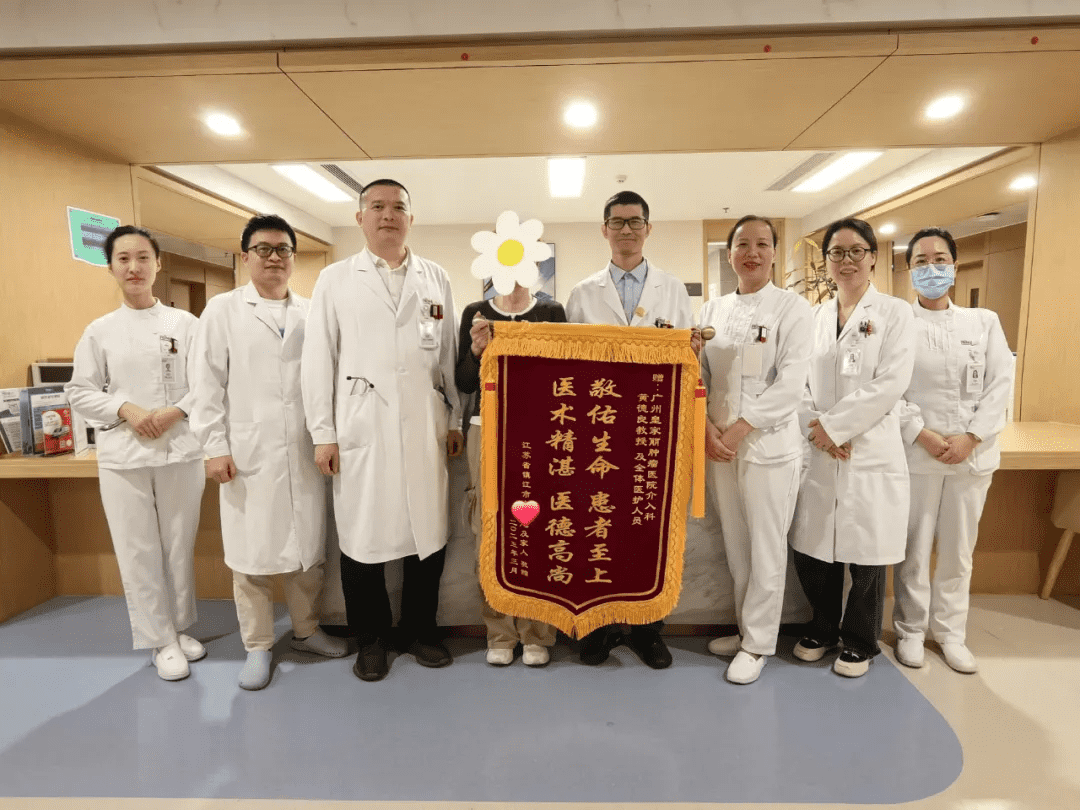
"Hey, walk around and try to align them. Turn this way and that way."
In a ward of the interventional department on the sixth floor of the Royal Li Hospital, Sister Yi (pseudonym) chatted with visitors, and from time to time she called her brother who was sitting on the side of the bed to get up and walk around, happily showing everyone the results of her brother's treatment.
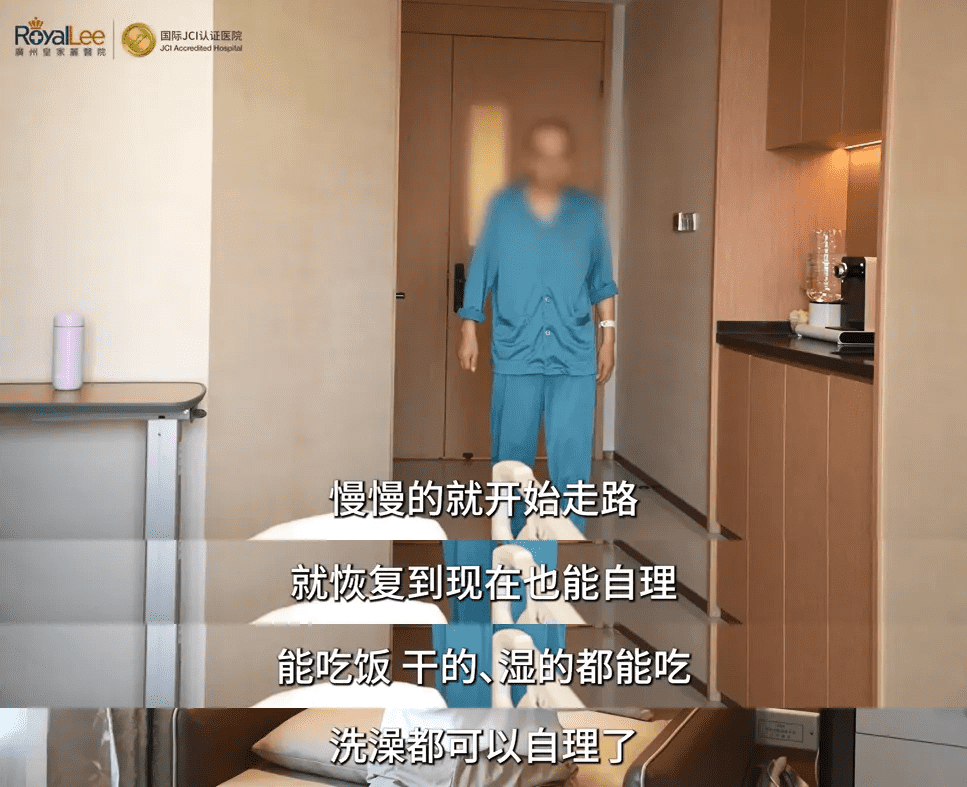
For sister Yi and brother Yuan, the short few steps from the bed to the door took almost four years.
01 The bad news came suddenly, the diagnosis was in the late stage
In the late autumn of 2021, Brother Yuan stood for a long time, holding the medical report. It indicated right lung adenocarcinoma with multiple metastases to the brain, bones, and lymph nodes. His life was spent undergoing chemotherapy and targeted therapy.
Less than two years later, another crisis struck. Yuan began vomiting, experiencing double vision, and blurred vision. A Nanjing hospital diagnosed him with meningeal metastasis, and cerebrospinal fluid pathology revealed metastatic tumor cells.
In the following year, Brother Yuan persevered through 13 intraventricular chemotherapy sessions and multiple targeted drug changes. It wasn't until September 2024, when an MRI revealed multiple metastases in the brainstem and cerebellum, that he succumbed to the disease.

02 Difficult decisions in the darkest hour
Seeing her brother, once a loud and outgoing man who loved to party and fish, now unconscious and babbling, bedridden for extended periods and even needing assistance to vomit, her sister is distraught. It's driven by the bond of blood, and the courage of a fellow sufferer battling the disease together.
Prior to this, Sister Yi had also been diagnosed with a liver tumor. After extensive consultation, she sought treatment at the Minimally Invasive Interventional Department of Guangzhou Royal Cancer Hospital. Dr. Huang Deliang, Chief Physician and Technical Director, performed percutaneous microwave ablation of the liver nodule, a procedure that went very smoothly.
At this point, Sister Yi's thoughts began to arise.
She had previously worried that her brother might be unconscious and unable to withstand the travel, but the current treatment options seemed ineffective. Traveling 1,400 kilometers to Guangzhou to find Dr. Huang Deliang became their last hope.

03 Vitality created by mutual trust between doctors and patients
On October 8, 2024, Dr. Huang Deliang, chief physician and technical director of the Minimally Invasive Intervention Department of Guangzhou Royal Li Cancer Hospital, performed "bilateral internal carotid artery superselection, angiography, and perfusion" on the patient. He stared at the intricate cerebral vascular network on the DSA screen, used the Seldinger puncture method to insert a 5F sheath, and performed angiography on the right and left internal carotid arteries respectively. No obvious tumor staining was found, and perfusion was performed after microcatheter superselection.
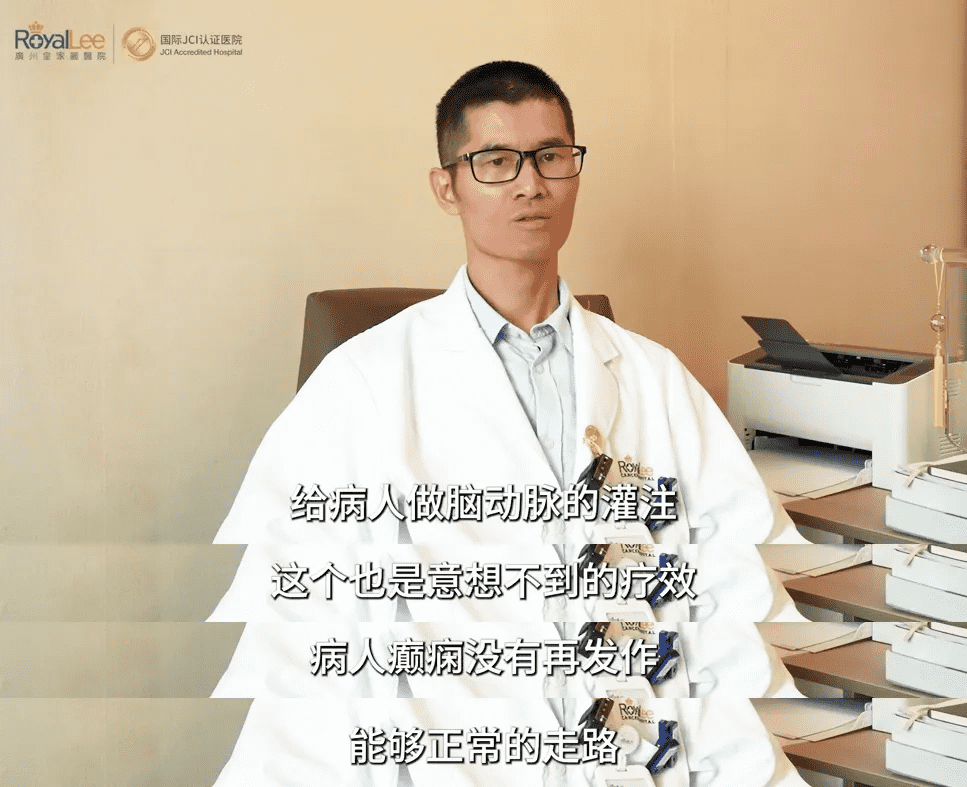
After two interventional treatments, a miracle began to unfold: the vomiting stopped, and the tension in his neck muscles decreased. One day, Sister Yi was pleasantly surprised to discover that her brother had spontaneously mentioned the soup dumplings from his hometown. The return of his appetite and consciousness was the greatest comfort to the family who had spent so many days at his bedside.
After the third interventional treatment, Yuan Ge was able to eat normally again. The pain of vomiting and relying on liquid food was gone. He could urinate, defecate, and bathe on his own, and was able to take care of himself. He could communicate normally, with clear logic and speech. Behind the words "I can bathe on my own" lies a heartache and gratitude that only he could understand.
Sister Yi's voice choked up when she talked about every time she saw Chief Physician Huang Deliang in his lead vest. She hoped that he could treat more patients, but she also felt sorry for him and thought he should take better care of himself.
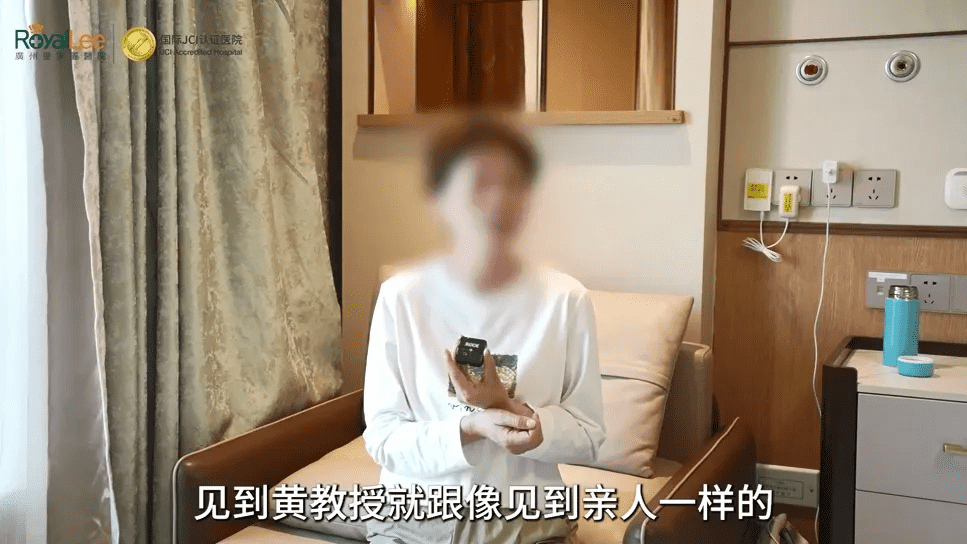
Chief Physician Huang Deliang also felt a lot of emotion when talking about the brother and sister. It has not been easy along the way. The physical pain and psychological pressure they endured are far beyond the imagination of ordinary people.
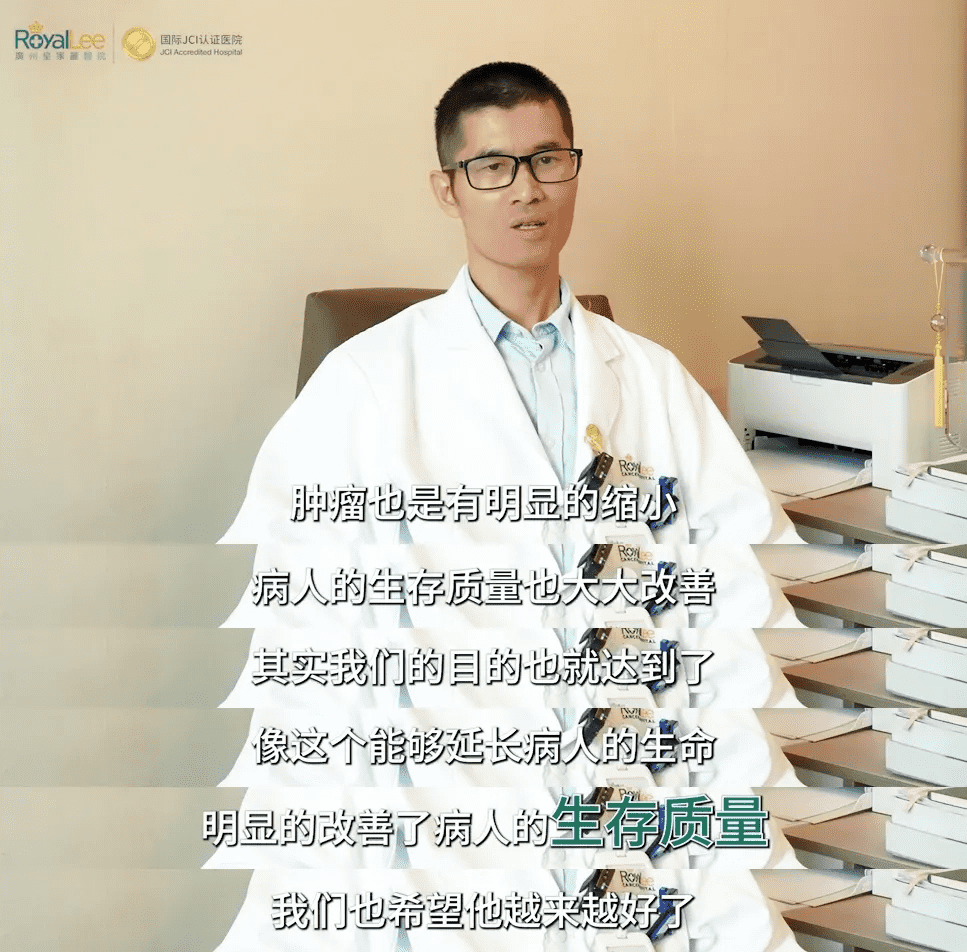
Doctors worry about their patients' quality of life, while patients care about the physical and mental burdens of their doctors. This mutual understanding builds the strongest bulwark against disease. Medicine may not be able to cure all intractable ailments, but when the doctor's compassion intertwines with the patient's trust, the light of life that transcends the limitations of technology can often emerge.


 (+86)18613012387
 info@royallee.cn
 EN
EN CN
CN TH
TH IDN
IDN  AR
AR Customer satisfaction