
 (+86)18613012387
 info@royallee.cn
 EN
EN CN
CN TH
TH IDN
IDN  AR
ARApril 15–21, 2026
marks the 32nd National Cancer Prevention and Treatment Awareness Week
with the theme: Early Prevention, Early Screening, Early Treatment—United in the Fight Against Cancer
One Key Number: 40%
Cancer development is a complex, multifactorial process resulting from long-term accumulation of risk factors. But did you know? Over 40% of cancers can be effectively prevented through healthy lifestyle choices—no expensive medical bills required, just small changes starting today.
Under the framework of the World Health Organization's International Agency for Research on Cancer (IARC), the National Cancer Center of China has formulated the "China Healthy Lifestyle Guidelines for Cancer Prevention (2026 Edition)", proposing 15 evidence-based recommendations for cancer prevention. Royal Lee Hospital Guangzhou presents this concise interpretation to help you take charge of your own health.
01
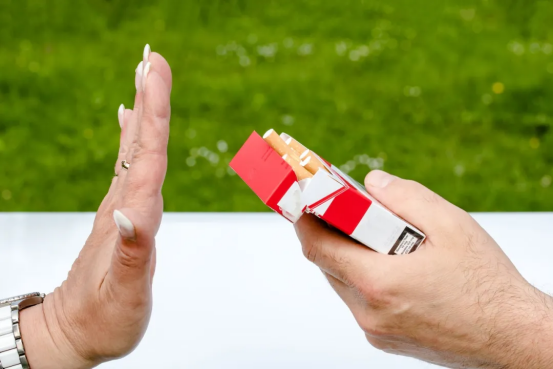
Don't Smoke, Quit Early, and Avoid Secondhand Smoke
Tobacco smoke and secondhand smoke are both Group 1 carcinogens, containing approximately 70 cancer-causing chemicals. Smoking increases the risk of more than ten types of cancer, including oral, lung, and liver cancer. It's never too late to quit: after 5 years of quitting, the risk of oral, laryngeal, esophageal, and bladder cancers is reduced by half; after 10 years, lung cancer risk drops by half.
02
Maintain a Healthy Weight—Avoid Overweight and Obesity
Obesity is closely linked to multiple cancers. The normal BMI range is 18.5–23.9. Central obesity is defined as waist circumference ≥90 cm for men and ≥85 cm for women. Obesity increases the risk of breast, colorectal, and endometrial cancers through mechanisms including chronic inflammation, elevated insulin levels, and hormonal changes.
03
Exercise Scientifically and Reduce Sedentary Time
Prolonged sitting increases the risk of breast and colorectal cancers. Adults should engage in at least 150–300 minutes of moderate-intensity exercise or 75–150 minutes of vigorous-intensity exercise per week. Physical activity helps regulate hormone levels, strengthen immunity, reduce inflammation, and improve digestive function.
04
Drink Less Alcohol—Avoid Excessive Drinking
Alcohol and its metabolite acetaldehyde are Group 1 carcinogens, increasing the risk of head and neck, esophageal, liver, and breast cancers. There is no safe level of alcohol consumption—if you don't drink, don't start; if you do, cut back.

05
Avoid Moldy Foods and Long-term Betel Nut Chewing
Moldy foods contain aflatoxin (Group 1 carcinogen), significantly increasing liver cancer risk. Betel nut (with or without tobacco) is also a Group 1 carcinogen, raising the risk of oral, pharyngeal, and esophageal cancers.
06
Avoid Overly Hot Foods and Beverages
Beverages above 65°C are classified as Group 2A carcinogens. Long-term consumption of hot foods can repeatedly damage esophageal mucosa, increasing esophageal cancer risk. Allow food to cool to a safe temperature before eating.
07
Limit Pickled, Smoked, Grilled, and Fried Foods; Reduce Processed Meat
Pickled foods increase the risk of nasopharyngeal and gastric cancers. Smoking and grilling produce carcinogens such as heterocyclic amines and polycyclic aromatic hydrocarbons. Processed meats (ham, sausages, bacon, etc.) increase colorectal cancer risk. Choose fresh ingredients and healthy cooking methods.

08
Reduce Sugar Intake—Avoid or Limit Sugary Drinks
High-sugar diets contribute to obesity and increase multiple cancer risks. They may also induce diabetes, which is associated with higher risks of liver and pancreatic cancers.
09
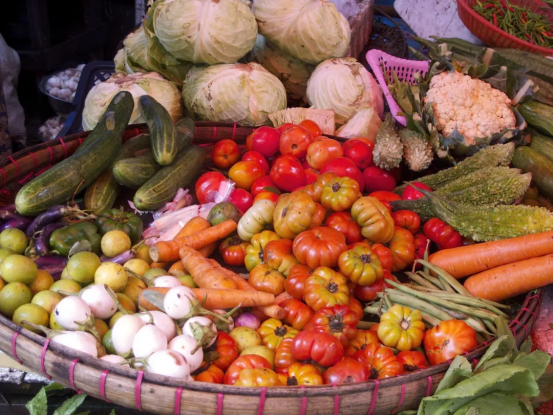
Consume Adequate Vegetables, Fruits, and Whole Grains
Sufficient vegetable and fruit intake can reduce the risk of oropharyngeal, lung, breast, and gastric cancers. Whole grains are rich in dietary fiber, helping to lower breast and colorectal cancer risks. Recommended daily intake: vegetables 300–500g, fruits 200–350g, whole grains 50–150g.
10
Don't Share Personal Items—Use Serving Utensils at Gatherings
Infections with Helicobacter pylori, hepatitis B virus, hepatitis C virus, and Epstein-Barr virus are associated with multiple cancers. Avoid sharing toothbrushes, razors, or other items that may contact blood. Using serving chopsticks at meals can reduce infection and cancer risks.
11
Practice Occupational Protection—Avoid Carcinogen Exposure
Occupational carcinogens such as benzene, formaldehyde, asbestos, and polycyclic aromatic hydrocarbons increase the risk of lung cancer, leukemia, and others. Use protective equipment correctly at work. Change work clothes and clean up promptly after work to avoid bringing harmful substances home.
12
Avoid Prolonged Sun Exposure
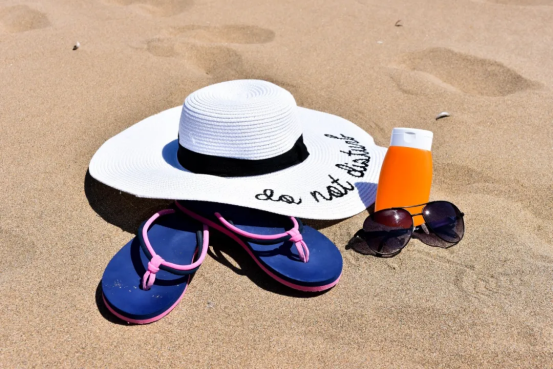
Ultraviolet radiation is a Group 1 carcinogen. Long-term sun exposure increases skin cancer risk. Take sun protection measures when going outdoors: apply sunscreen, use umbrellas, and wear hats and sunglasses.
13
Maintain Indoor Ventilation—Reduce Outdoor Activities During Air Pollution
Outdoor air pollution, particulate matter, secondhand smoke, and formaldehyde are Group 1 carcinogens. Reduce outdoor activities and wear masks when air pollution is severe. Avoid indoor smoking, use clean energy sources, turn on exhaust fans during cooking, and keep rooms well-ventilated.
14
Get Vaccinated Against Hepatitis B and HPV as Early as Possible
Hepatitis B virus is a Group 1 carcinogen and a major cause of liver cancer—vaccination is the most effective preventive measure. HPV types 16 and 18 cause approximately 70% of cervical cancers; vaccination can prevent cervical cancer and multiple related cancers. Eligible individuals are encouraged to get vaccinated as early as possible.
15
Promote Breastfeeding
Breastfeeding reduces mothers' risks of breast and ovarian cancers, with longer duration showing more significant effects. It is recommended to breastfeed for at least 6 months, continuing for 1 year or longer after introducing complementary foods.
Reference: Notice from the General Office of the National Health Commission on Carrying Out the 2026 National Cancer Prevention and Treatment Awareness Week Activities




 Customer satisfaction