Legal Notice: The patient information in this article has been anonymized. Treatment experiences reflect individual circumstances only and are not a guarantee of efficacy. Specific treatment plans should be developed by the attending physician.
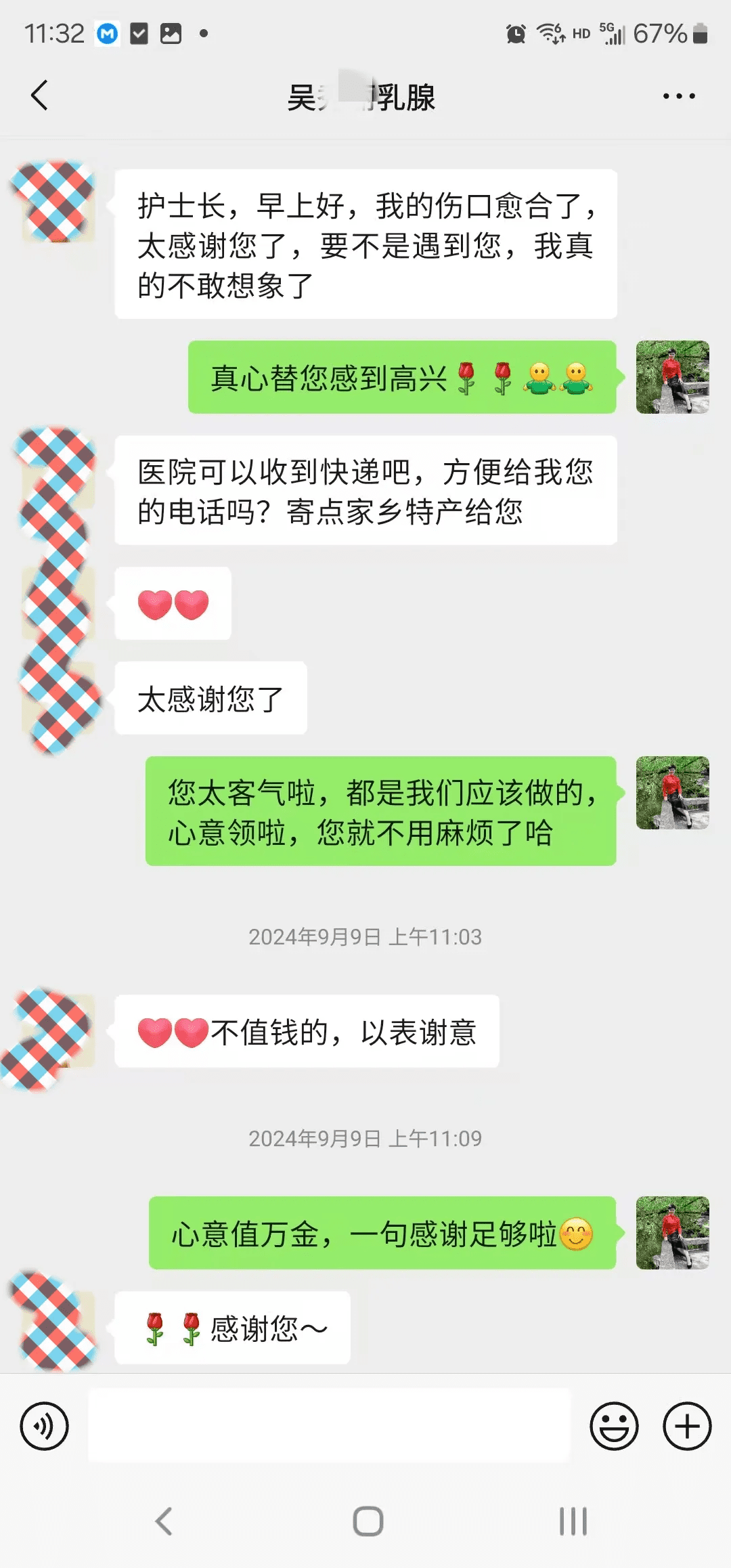
"If I hadn't met you, I really can't imagine what would have happened..." This was the message Ms. Wu sent to Guo Hanfang, our head nurse in surgery, after her wound finally healed. These few words captured the immense physical and mental torment she had endured over the past two years due to the recurring wound after surgery on her left breast.
1 Medical review
Since undergoing a modified radical mastectomy for left breast cancer and implantation in October 2022, Ms. Wu has been caught in a nightmare of wound problems.
Although the prosthesis was removed in May 2023 and debridement and suture were performed again in June 2024, the wound under the left nipple (ulceration of about 0.8*0.5 cm, with 1.5 cm of undermining and a small amount of pus) was like a stubborn shadow, continuing to exude and not healing for nearly two years.
Repeated surgical failures and a long course of illness not only brought her physical discomfort and infection risks, but also made her deeply anxious and helpless.
2 Wound care
On June 25, 2024, Ms. Wu was referred to our hospital's Department of Surgery. Faced with this complex, persistent wound, the nursing team, led by Head Nurse Guo Hanfang, precisely applied the moist healing concept and developed a detailed plan:
Conservative sharp debridement: Under the premise of accurate assessment and protection of healthy tissue, necrotic tissue and unhealthy granulation tissue in the wound and cavity are gently removed in stages to reduce the infection load.
Scientific application of functional healing-promoting dressings: Based on the characteristics of wounds with low exudate volume, presence of undercurrent, and the need to promote granulation tissue growth and epithelial crawling, appropriate healing-promoting dressings (such as lipid hydrocolloid dressings, hydrophilic fiber silver dressings, etc.) are carefully selected to create and maintain an optimal moist environment conducive to cell migration and growth, effectively manage exudate, and isolate contamination.
3 Recovery effect
With the professional, patient, and personalized care of the nursing team, the stubborn wound that had troubled Ms. Wu for nearly two years finally healed completely:
- Exudate and purulent secretions disappeared.
- The wound base was filled with healthy granulation tissue, and the edges were covered with continuous creeping epithelium.
One month later, the wound was completely healed!
The physical and mental shackles were finally lifted, and the feeling of relief and gratitude turned into a heartfelt thank you.
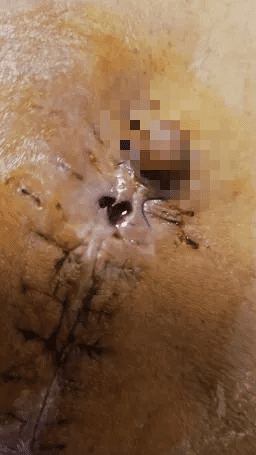
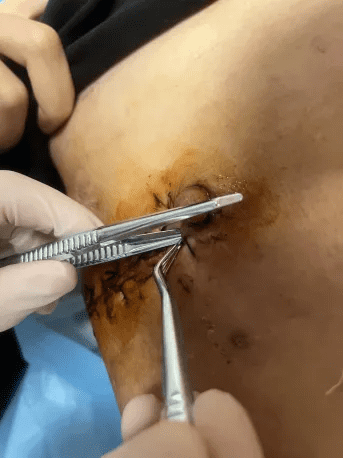
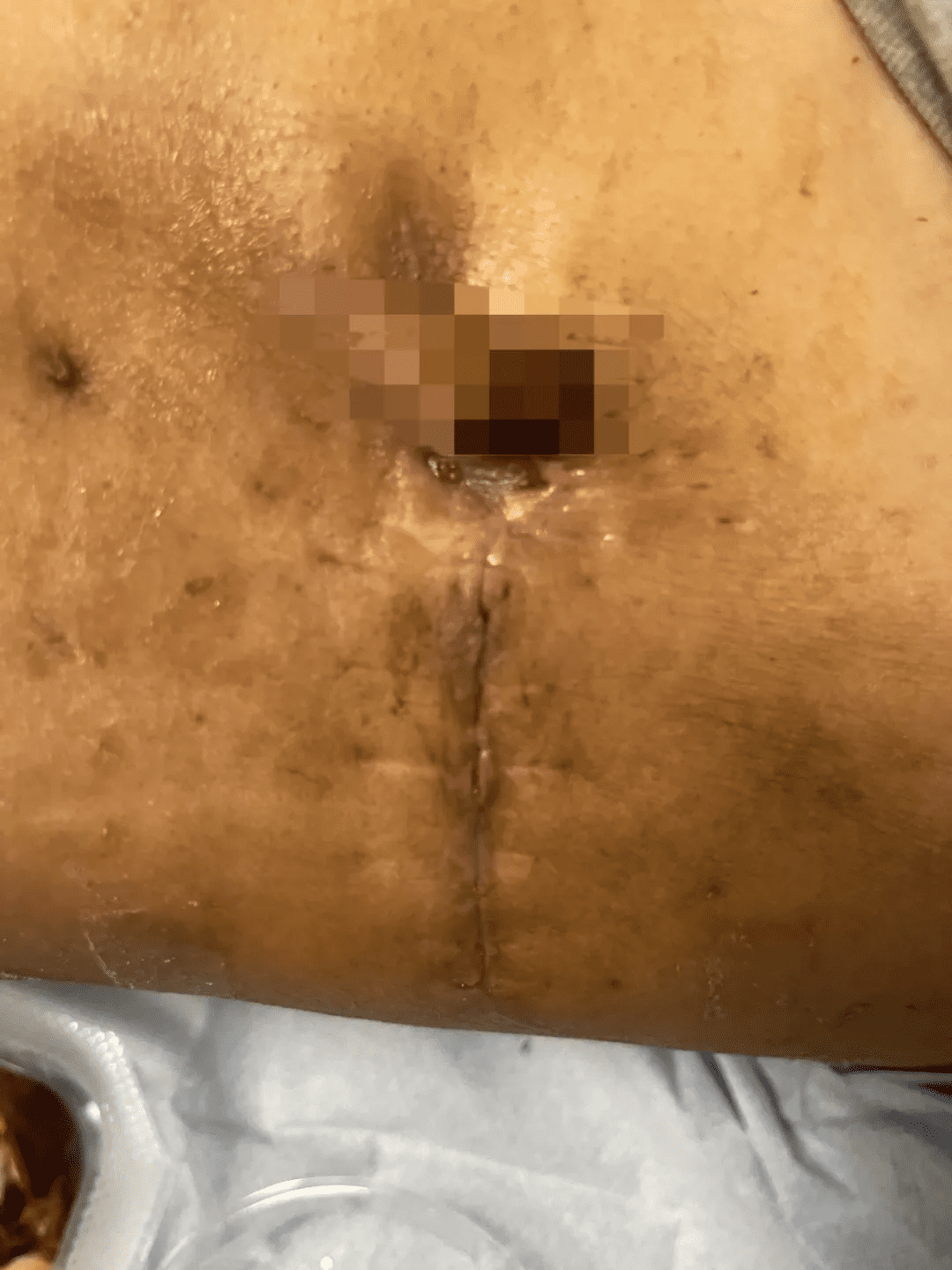
Wound comparison chart
Care Tips: Why are chronic wounds difficult to heal?
Chronic wounds are often caused by complex factors such as infection, poor local blood supply, persistent stimulation (such as foreign bodies, necrotic tissue), and systemic factors (such as nutrition and disease). The key to professional care is:
Thorough debridement: Safe and effective removal of necrotic tissue is the basis of healing.
Control infection/inflammation: Use anti-infective dressings or medications as necessary.
Creating a moist environment: Using functional dressings to maintain moderate moisture in the wound has been shown to promote cell migration and growth factor action better than a dry environment, accelerating healing.
Professional assessment and ongoing management: Chronic wounds require regular assessments by wound specialist nurses, dynamic adjustments to plans, and attention to the patient's overall condition.
PROFILE
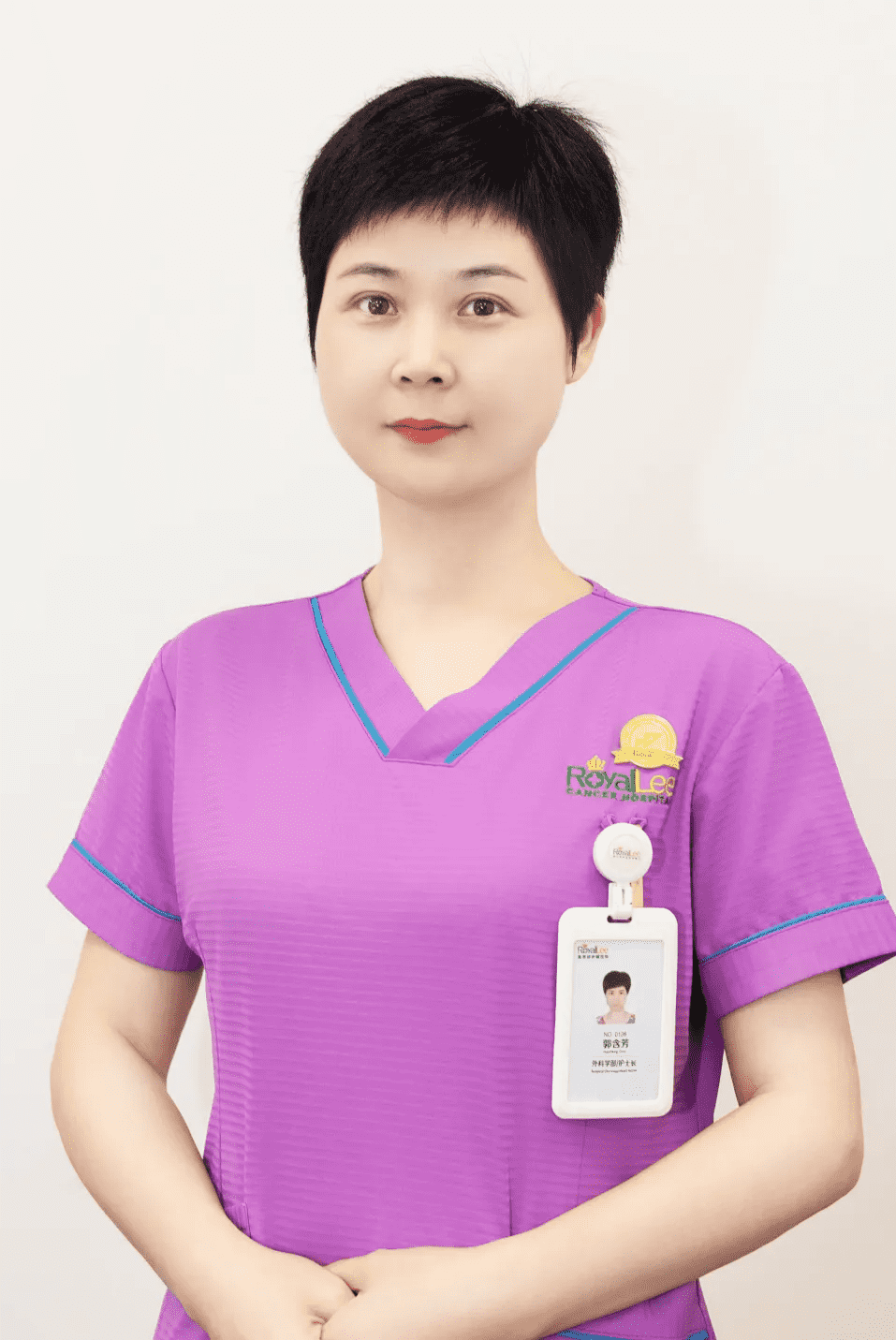
Guo Hanfang
Head nurse
Head nurse of Department of Oncology and Department of Internal Medicine III
Wound and stoma specialist nurses in Guangdong Province;
Oncology specialist nurses in Guangdong Province;
PICC catheterization nurses in Guangdong Province
【Areas of expertise】
Wound treatment: treatment and care of various chronic wounds including cancerous wounds, lymphedema, pressure injuries, poor wound healing after surgery, ostomy complications, pharyngeal fistula, esophageal airway fistula, radiation dermatitis, incontinence dermatitis, etc.
Intravenous catheterization: PICC placement and maintenance, treatment and care of complications of PICC, CVC, and infusion ports;
Traditional Chinese Medicine Nursing: balanced cupping, warming and unblocking scraping, auricular acupressure, Du-point moxibustion, moxibustion, pestle needling and other appropriate TCM nursing techniques.
Academic Position:
- Standing Committee Member of the Clinical Support and Nursing Branch of Guangdong Health Care Association
- Standing Committee Member of the Ostomy Wound Branch of Guangzhou Nursing Association
- Member of the Tumor Hyperthermia Therapy Professional Committee of the Guangdong Anti-Cancer Association
- Member of the Wound Ostomy Branch of the Guangdong Nursing Association
- Member of the Guangdong Provincial Non-public Medical Nursing Committee


 (+86)18613012387
 info@royallee.cn
 EN
EN CN
CN TH
TH IDN
IDN  AR
AR Customer satisfaction