

 (+86)18613012387
 info@royallee.cn
 EN
EN CN
CN TH
TH IDN
IDN  AR
AR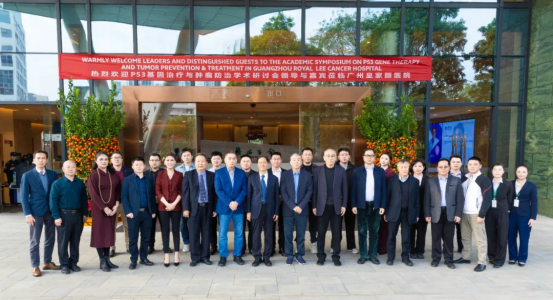
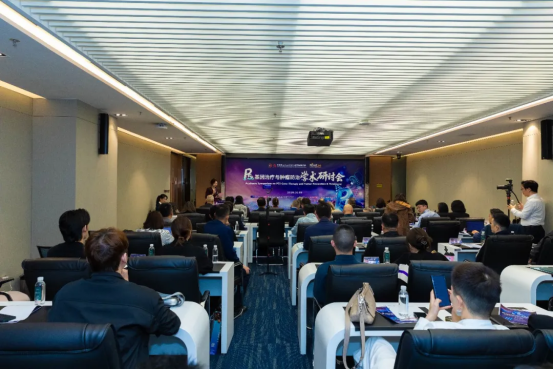
On February 5, 2026, RoyalLee Cancer Hospital, located in the core area of the China-Singapore Guangzhou Knowledge City International Innovation Cooperation Zone, successfully hosted a high-level academic summit bringing together top global oncology experts. This "International Symposium on P53 Gene Therapy and Cancer Prevention" marks a significant step forward for RoyalLee Cancer Hospital, a JCI-accredited international cancer treatment center, not only in serving patients from over 20 countries but also in leading the transformation of treatment technologies—the world's first approved gene therapy drug, "Recombinant Human p53 Adenovirus Injection (Jinyousheng)," was officially launched and put into clinical use.
Ma Lanying, Vice President of Guangzhou RoyalLee Cancer Hospital, joined Professor Mao Zhenbin, President of the China Food and Drug Enterprises Quality and Safety Promotion Association, Professor Li Dinggang, Chief International Medical Consultant of Guangzhou RoyalLee Cancer Hospital and Global Oncology Consultant at the Mayo Clinic, Academician Cai Zhiming, Honorary President of the China Food and Drug Enterprises Quality and Safety Promotion Association, Professor Li Longjiang, Chairman of the Oral and Maxillofacial-Head and Neck Tumor Surgery Committee of the Chinese Stomatological Association, Dr. Marcelo Lam, a comprehensive oncology expert from the United States, Dr. Evgenia Kuznetsova, MD Dr. of the Russian Medical Service Center, Professor Yuan Bing of the Hong Kong Center for Chinese Medicine Research and Development, and Xu Wei, Chairman and President of Chinacare, along with many other authoritative experts and leading figures, to witness a significant milestone in the application of technology to the healthcare industry. This brilliant moment, a convergence of wisdom and innovation, marks a new chapter for our hospital in the fields of oncology diagnosis and treatment and international medical cooperation.
01 International Medical Hub: Gathering Global Wisdom, Setting Treatment Standards
Guangzhou RoyalLee Cancer Hospital, a JCI-accredited oncology specialist hospital, has become one of the world's leading high-end medical destinations, having received patients from over twenty countries and regions worldwide, establishing a significant position on the international healthcare landscape. Recently, the hospital achieved a major breakthrough in precision oncology treatment—the globally acclaimed p53 gene therapy drug was officially launched for clinical application, marking a milestone in the hospital's "precision medicine" strategy.
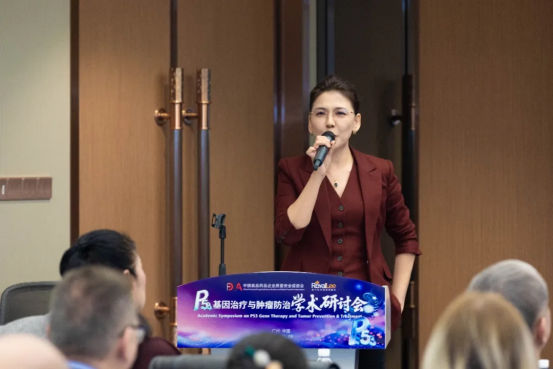
Vice President Ma Lanying stated, "RoyalLee Hospital is not only a benchmark project for health cooperation between China and Singapore, but also leverages the China-Singapore Guangzhou Knowledge City, a national-level bilateral cooperation platform, to continuously introduce cutting-edge international medical technologies. We are fully committed to building a full-cycle cancer prevention and treatment system covering precise screening, gene intervention, and integrated comprehensive treatment. The introduction and application of the world's first p53 gene therapy drug is a key practice in our core philosophy of 'patient-centered, technology-driven hope for life,' aiming to bring unprecedented treatment options to cancer patients worldwide."
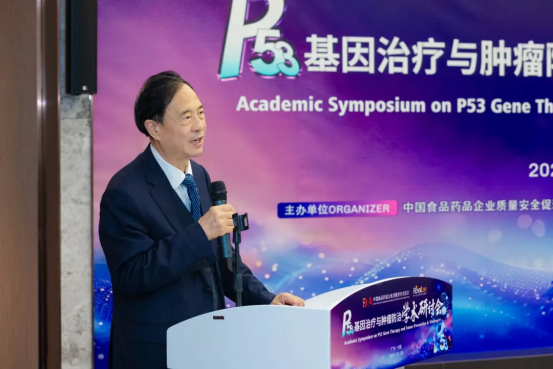
Professor Mao Zhenbin, President of the China Food and Drug Enterprises Quality and Safety Promotion Association, highly praised this achievement. He pointed out, "Gene therapy represents a 'new productive force' in the biomedical field and is a crucial engine for medical innovation. RoyalLee Hospital has been a pioneer in quality and safety management and clinical technology innovation. This initiative to promote the standardized application of the world's first p53 gene therapy drug is not only a clinical breakthrough but also sets a benchmark for the industry, helping Chinese gene therapy move towards standardization and internationalization."
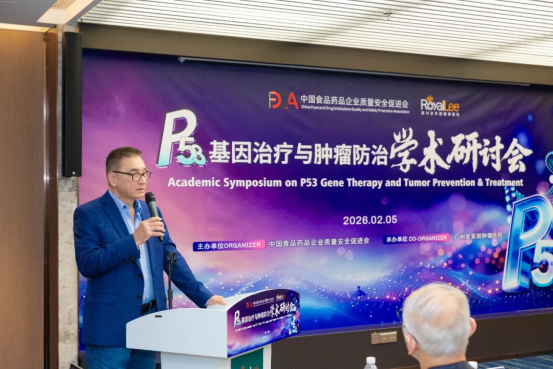
Dr. Marcelo Lam, a comprehensive oncology expert from the United States, paid particular attention to the synergistic prospects of integrating traditional Chinese and Western medicine with gene therapy: "The integration of traditional Chinese medicine wisdom and modern gene technology demonstrates enormous global medical potential. This collaboration is not only the introduction of technology but also an important step for China's innovative medical model to step onto the world stage, and is expected to enhance China's influence in the global field of oncology treatment."
02 The Royal Lee Cancer Gene Medicine Center is Officially Established
Ushering in a New Era of Cancer Treatment with the World's First Approved Gene Therapy Drug
Recombinant Human p53 Adenovirus Injection (Gendicine), the world's first approved gene therapy drug, has been successfully implemented at the Royal Lee Cancer Gene Medicine Center for treating various solid tumors and hematologic malignancies, including lung cancer, liver cancer, breast cancer, colon cancer, esophageal cancer, pancreatic cancer, prostate cancer, bladder cancer, cervical cancer, ovarian cancer, brain tumors, lymphocytic tumors, and melanoma, consistently demonstrating significant efficacy in typical clinical cases.
Gendicine
The World's First Approved New Cancer Gene Therapy Drug
Currently the only gene drug for cancer treatment in the world
Ushered in a new era for humanity in treating diseases with genes
Leading the world by 15 years to date
p53 gene therapy works by repairing or replacing the mutated and inactivated p53 tumor suppressor gene, directly intervening in the key mechanisms of tumor development at the molecular level. Clinical practice shows that Gendicine can not only be used as a monotherapy but also synergize with traditional radiotherapy, chemotherapy, targeted therapy, and immunotherapy to enhance overall treatment outcomes.
The complete diagnostic and treatment pathway established by the Royal Lee Cancer Gene Medicine Center – from precise genetic testing to screen suitable populations, to personalized dosing regimen formulation, and finally to post-treatment follow-up management – ensures that this cutting-edge therapy can benefit every patient safely, standardly, and efficiently.
The P53 Tumor Suppressor Gene: A Revolution in Curing Cancer!
1. Treatment Method: Introduce the purpose gene (recombinant human p53 adenovirus, Gendicine) into recipient cells to correct or compensate for the cancer caused by P53 gene defects and variations, achieving the goal of intervention and treatment.
2. Mechanism of Action: Blocks tumor cell cycle and promotes tumor cell apoptosis; inhibits tumor angiogenesis, invasion, and metastasis, reducing the risk of recurrence and metastasis; reverses resistance to radiotherapy and chemotherapy, enhancing synergistic effects and improving overall efficacy; simultaneously enhances the body's immune function, creating a multi-pathway synergistic anti-tumor effect greater than the sum of its parts.
Research Confirms:
Cancer is a Type of Genetic Disease
p53 Mutation is a Crucial Link
Cancer is a type of genetic disease. Almost all cancers are caused by genetic mutations, with p53 mutation being a critical step. This is why traditional treatments often yield unsatisfactory results.
A basic condition for developing cancer is that p53 must be inactivated. If p53 function is normal, cancer cannot develop.
— World Health Organization, International Agency for Research on Cancer
P53 Drug Case Study: Internal Inhibition, External Attack
As the world's first approved gene therapy drug, the p53 drug combats cancer through a precise "internal-external synergy" mechanism: internally, it accurately repairs damaged DNA, inhibiting the generation of cancer cells; externally, it personally clears viruses, cancerous cells, etc., from the body. This internal-external linkage treatment strategy provides an innovative solution for cancer therapy.
Clinicians have used "Gendicine"
To treat over one hundred thousand patients with malignant tumors from fifty countries worldwide
The overall clinical efficacy rate (CR+PR)
Reaches as high as 90-96%
In February 2018, the international medical journal *Human Gene Therapy* published a 12-year clinical review on Gendicine gene therapy, summarizing the safety and efficacy of clinical treatment since its market launch.
Case Study – Before Intervention
Mr. Chen, 40 years old. In September 2020, his first blood test detected cfDNA for the p53 gene. There was high expression of the wild-type P53 gene at G245S at 111 (copies/ul). Among these, the wild-type P53 gene concentration expression at the R175H and R249S sites was the highest, reaching 120 (copies/ul).
*Figure 1: G245S site first test – Blue in the upper left represents mutant p53 gene expression; green represents wild-type p53 gene expression*
*Figure 2: R175H and R249S sites first test – Green represents wild-type p53 gene expression*
Case Study – After Intervention
Based on the mutation and expression status, Mr. Chen enrolled in the clinical study on "Inhalation of 'Recombinant Human p53 Adenovirus Injection' for the Prevention or Blockade of Malignant Tumor Occurrence (Formation) in Individuals with Abnormal P53 Genes." After completing the intervention treatment plan, Mr. Chen underwent a second cfDNA P53 gene test in June 2021.
The test results showed no mutations detected at any site this time, and the wild-type p53 gene concentration expression returned to within 10 (copies/ul), aligning with the mean range of cfDNA gene concentration expression detected in healthy individuals.
*Figure 3: G245S site second test – Green represents wild-type p53 gene expression*
*Figure 4: R175H and R249S sites second test – Green represents wild-type p53 gene expression*
Recombinant Human p53 Adenovirus Injection (Gendicine) acts like an elite "healthy special forces soldier," guarding your health 24/7; internally, it precisely repairs damaged DNA, inhibiting cancer cell formation; externally, it personally clears viruses and cancer cells. It not only builds a solid cancer prevention barrier for healthy individuals but also significantly reduces cancer risk for high-risk populations, and further extends survival time and alleviates suffering for cancer patients, providing comprehensive, all-around protection for patients' lives.
03 Academic Summit:
Exploring the Cutting-edge Paradigms and Future Pathways of Precision Medicine
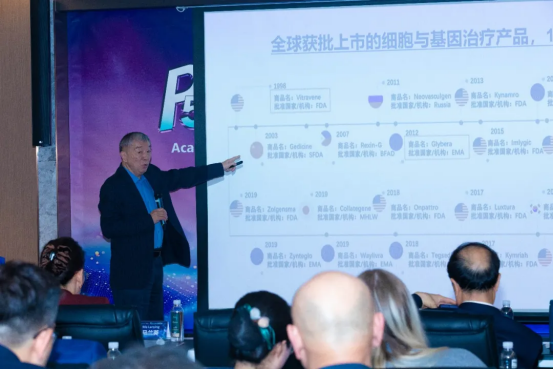
Professor Li Dinggang delivered a speech titled *"Clinical Application and International Response to Recombinant Human p53 Adenovirus Injection,"* systematically expounding on the data performance and evidence-based significance of this gene therapy in international multi-center clinical studies, revealing the breakthrough progress and far-reaching impact it brings to the field of oncology treatment.
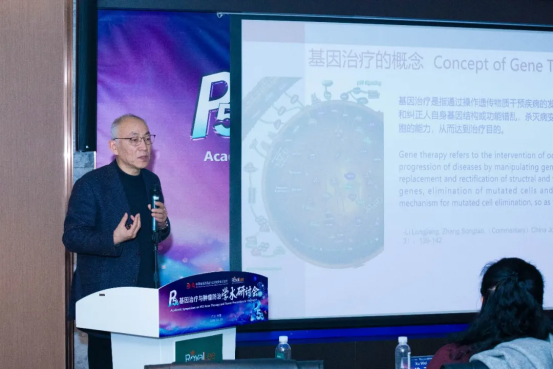
In his report *"Gene Therapy Synergy Integration: A New Paradigm in Oncology Clinical Practice,"* Professor Li Longjiang proactively proposed a theoretical framework and practical path for the deep integration of gene therapy with traditional modalities. He advocated for reconstructing the tumor diagnosis and treatment system with integrative medicine thinking, providing a new paradigm for clinical practice that is both innovative and operable.
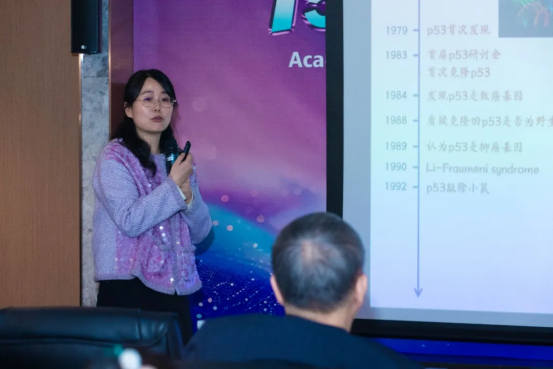
Based on *"Results Sharing on TP53 Gene Detection in Lung Nodule Treatment,"* genetic testing expert Dr. Huang Jie, using detailed clinical data and cases, clearly outlined the full-chain management path from early genetic warning signs to precise pre-cancer intervention, providing key technical support and decision-making basis for achieving "early diagnosis and early treatment" of tumors.
Professional Technology Leads, Platform Empowers: A Full-Chain Precision Medicine System Enables Clinical Translation
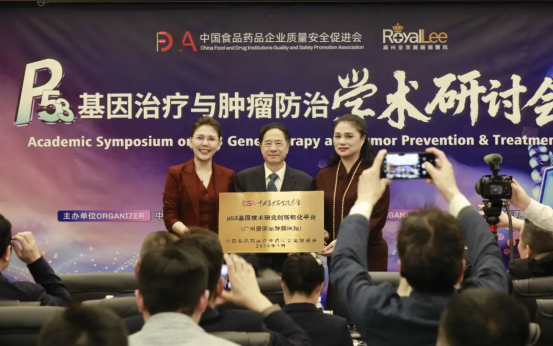
A significant achievement of this conference was the official establishment of the "RoyalLee Cancer Gene Medicine Center." This marks RoyalLee Hospital's completion of a complete chain in gene therapy, from precise testing and professional assessment to clinical application, showcasing its outstanding strength in integrating cutting-edge medicine.
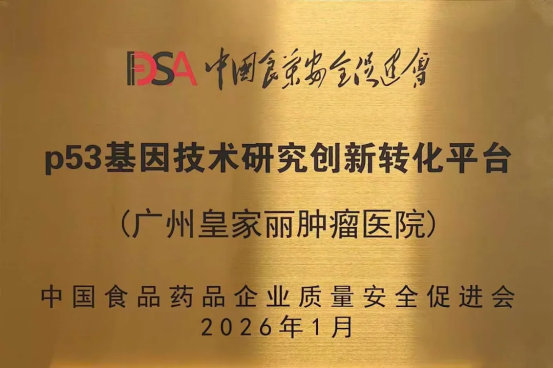
At the conference, Professor Mao Zhenbin personally presented the plaque for the "p53 Gene Technology Research and Innovation Translation Platform" to RoyalLee Cancer Hospital, which was jointly accepted by Vice President Ma Lanying and Dr. Xu Wei. This signifies a major breakthrough in the hospital's strategic layout in the field of precision medicine. The platform will be dedicated to promoting the rapid translation of cutting-edge scientific research into clinical treatment, reflecting the hospital's integrated capabilities in research, medicine, and industry.
By integrating internationally standardized gene diagnostic systems, global access to cutting-edge drugs, multidisciplinary collaborative treatment models, and integrated traditional Chinese and Western medicine adjuvant therapies, RoyalLee Hospital has gradually built a closed-loop health management service system covering the entire cycle of cancer prevention, screening, diagnosis, treatment, and rehabilitation, providing patients with a comprehensive, precise, and personalized new paradigm of medical care.
05 Strategic Cooperation Resonates Globally: Building a New Ecosystem for Cross-Border Medical Collaboration
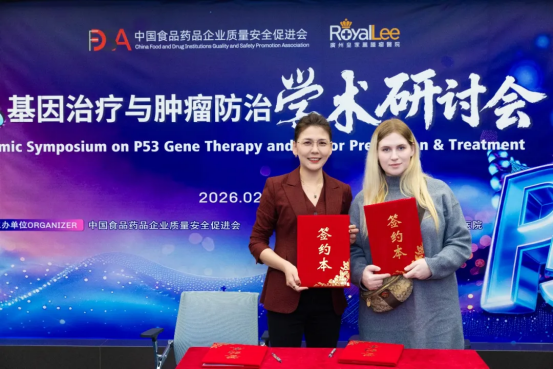
During this conference, RoyalLee Hospital officially signed strategic cooperation agreements with the Russian Medical Service Center and the Hong Kong Research and Development Centre of Chinese Medicine, marking a crucial step forward for the hospital in international medical resource integration and collaborative innovation. This cooperation represents not only a geographical extension but also a deep integration of treatment systems, research resources, and clinical capabilities.
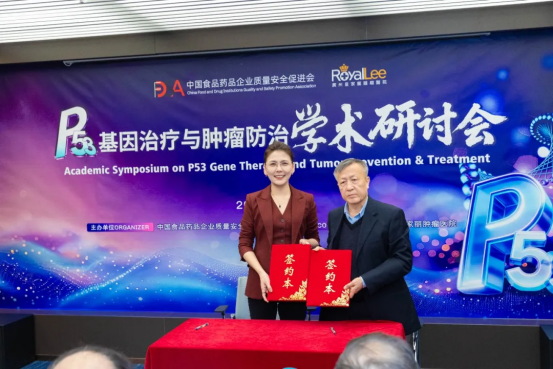
The partnership with the Russian Medical Service Center will establish normalized mechanisms for expert exchanges, remote consultations, and joint diagnosis and treatment, promoting the two-way export of precision tumor prevention and treatment protocols between China and Russia, with a particular focus on technical collaboration and data sharing in the fields of rare tumor types and complex cases. Simultaneously, the collaboration with the Hong Kong Research and Development Centre for Chinese Medicine focuses on the intersection of traditional Chinese medicine theory and modern gene technology, aiming to explore new integrative Chinese-Western pathways for tumor prevention, rehabilitation, and comprehensive treatment, thereby enhancing the holistic and humanistic aspects of care.
The establishment of these partnerships systematically expands Royal Lee Hospital's international medical cooperation network, facilitating the cross-border flow of talent, technology, data, and innovative models. The hospital is gradually evolving into a key hub connecting Eastern and Western medical resources. By building sustainable resource-sharing platforms and translational channels, it helps the world's latest treatment technologies reach clinical application faster, enabling more patients to transcend geographical limitations and access forward-looking, personalized, and highly accessible medical services. These actions further consolidate Royal Lee's platform function and influence within the international medical landscape, injecting new momentum into global health collaborative development.
06 Building a New International Medical Future
Winning International Trust Through Clinical Strength
The successful launch and clinical application of the world's first approved gene therapy drug at Royal Lee Cancer Hospital marks another significant breakthrough in China's high-end medical technology translation and international collaborative innovation. This is not only a concentrated reflection of the hospital's long-term commitment to international development, deep cultivation of precision oncology medicine, and proactive introduction, integration, and independent innovation of global cutting-edge technologies but also a powerful testament to China's openness in the healthcare sector and active participation in global health governance.
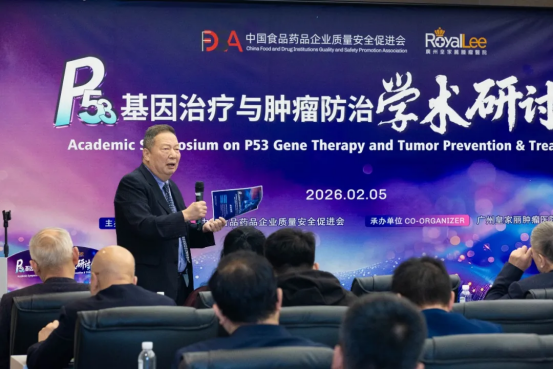
The discussion session, chaired by Academician Cai Zhiming, saw participating experts engage in a multi-level, constructive deep dialogue surrounding core issues such as the translational bottlenecks from "laboratory research and development" to "realization of clinical value" for gene therapy, as well as mechanism innovation and ecosystem building, further consolidating academic consensus and pointing out important future research directions. At the conclusion of the meeting, Academician Cai summarized with the nine-character principle: "Build Teams, Set Standards, Establish Confidence," emphasizing that by gathering global talent, establishing international industry standards, and strengthening confidence in technological innovation, we can drive gene therapy from clinical translation towards realizing global value.
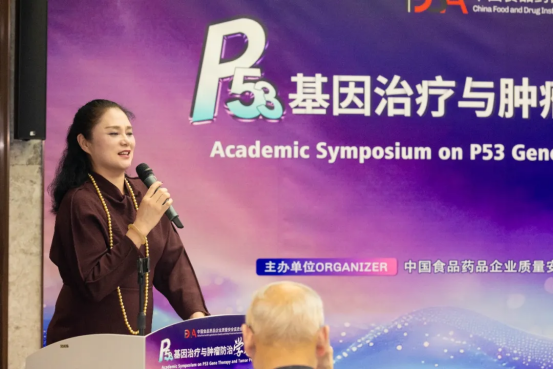
Dr. Xu Wei shared perspectives on the international landscape of gene technology from an industrial development standpoint. As a core tumor suppressor, the official clinical application of the p53 gene drug marks that precision therapy has moved from theory to maturity. Relying on the international platform of Royal Lee Cancer Hospital not only accelerates the clinical accessibility of cutting-edge technology but will also amplify the voice of China's original gene technology on the international stage, enabling innovative achievements to transcend national borders and benefit patients worldwide.
Looking ahead, Royal Lee Cancer Hospital will continue to rely on the international location advantages and policy platforms of the China-Singapore Guangzhou Knowledge City to further deepen strategic collaborations with top-tier international medical and research institutions, systematically introducing, digesting, and re-innovating globally advanced diagnostic and treatment technologies and systems. The hospital will persistently promote the deep integration of the "technology-clinical-industry" full chain, accelerate the transformation of innovative achievements into high-quality clinical solutions, and build a high-level tumor prevention and treatment service platform rooted in the Guangdong-Hong Kong-Macao Greater Bay Area, radiating along the "Belt and Road," and facing the world. Committed to providing excellent medical services that keep pace with international standards while embodying humanistic care for patients both domestic and international, the hospital will contribute Chinese wisdom and strength to the construction of a "Healthy China" and the building of a global community for health, through concrete actions.


 Customer satisfaction