

 (+86)18613012387
 info@royallee.cn
 EN
EN CN
CN TH
TH IDN
IDN  AR
ARA virtual handshake spanning thousands of kilometers, an in depth dialogue focused on the frontiers of life. As the people to people bonds of the Belt and Road Initiative extend into healthcare, Guangzhou Royal Lee Hospital once again demonstrates China’s commitment and compassion in medicine through its global vision and cutting edge technologies.
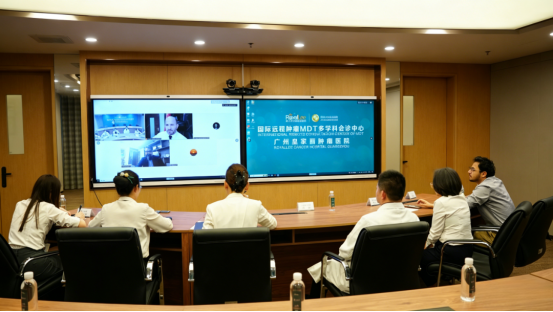
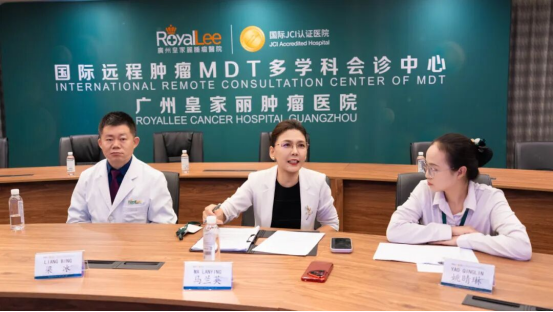
On the afternoon of April 15, an online meeting connecting Guangzhou, China and Islamabad, Pakistan was successfully held at the International Telemedicine Center of Guangzhou Royal Lee Hospital. Mr. Sardar Muhammad, Consul General of Pakistan in Guangzhou; Mr. Abdul Wahab, CEO of Shifa International Hospitals – one of Pakistan’s largest private healthcare groups – and his core team; together with Professor Li Dinggang, Chief International Medical Advisor; Ms. Ma Lanying, Executive Vice President of Guangzhou Royal Lee Hospital;Mr. Liang Bing, Honorary Vice President; and other experts and leaders gathered in the cloud to discuss in depth cooperation in oncology and medical education. This marks another key step in Royal Lee’s internationalization journey, following the successive visits of the Consuls General of Pakistan and Nepal to Guangzhou.
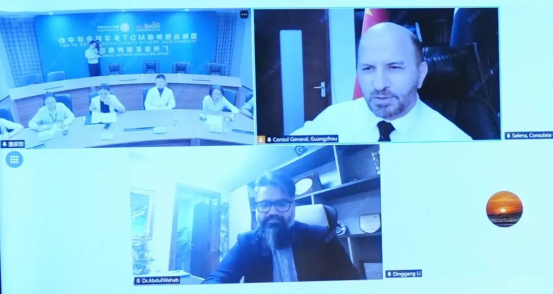
Mr. Sardar Muhammad (right), Mr. Abdul Wahab (bottom)
01 Virtual Handshake: Two International Hospitals Discuss the Frontiers of Life
Representatives from Shifa Hospital included: Dr. Abdul Wahab, Executive Director; Dr. Khwaja Junaid Mustaf, Group Chief Medical Officer; and Prof. Dr. Ayaz Mir.At the beginning of the meeting, representatives of Shifa International Hospital presented its development history and comprehensive strength. As a benchmark in Pakistan’s healthcare sector, Shifa has accumulated profound expertise in organ transplantation, cardiac surgery, critical care, and medical education, with its training system recognized internationally.
Royal Lee Hospital, in turn, showcased its unique advantages as a JCI accredited tertiary cancer specialty hospital: a cutting edge technology portfolio including proton therapy, Y 90 microspheres, nano knife ablation, cryoablation, and p53 gene therapy; a multidisciplinary team (MDT) model; and multilingual, one stop premium medical services for patients from over 30 countries and regions.
“Shifa’s achievements in comprehensive healthcare and talent development are truly admirable, while Royal Lee specializes in precision oncology. Our strengths are complementary, and the potential for cooperation is enormous,” said Vice President Ma Lanying.
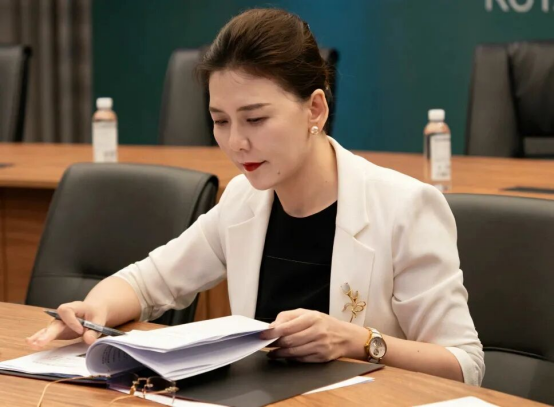
Ms. Ma Lanying, Executive Vice President of
Guangzhou Royal Lee Hospital
02 Focus on Oncology: Deep Synergy from Technology Sharing to Patient Referral
During the ensuing discussion, the two sides reached preliminary cooperation intentions in three core areas:
First, cross border MDT collaboration for complex oncology cases. For patients in Pakistan facing diagnostic or treatment difficulties, the two hospitals can conduct remote multidisciplinary consultations, with Royal Lee’s international expert team providing second opinions and developing personalized precision treatment plans.
Second, two way referral and rehabilitation linkage for international patients. For those requiring advanced technologies not yet available in Pakistan, such as proton therapy or gene therapy, they can be referred to Royal Lee for treatment; postoperative rehabilitation and long term follow up can then be completed back at Shifa Hospital, forming an efficient closed loop of “treatment in China, rehabilitation at home.”
Third, medical education and personnel exchange. Shifa possesses a well established postgraduate medical education system, while Royal Lee has distinctive strengths in integrated traditional Chinese and Western medicine and oncology nursing. Both sides plan to exchange experts for teaching, jointly develop international nursing training programs, and explore collaborative clinical research on innovative oncology drugs.
“China has leading technology, and Pakistan has extensive patient demand and a strong healthcare network. The alliance of these two private hospitals is the most practical embodiment of the Belt and Road Health Silk Road,” emphasized Professor Li Dinggang.
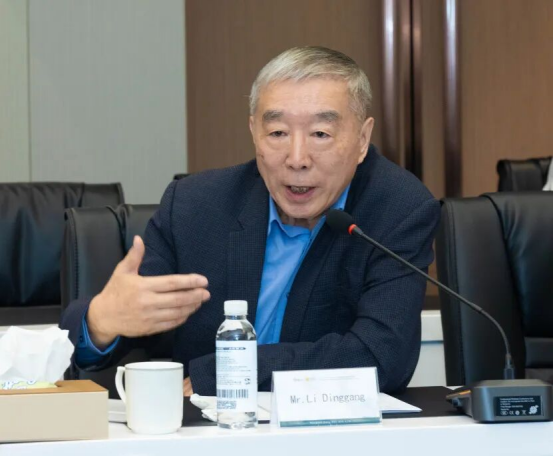
Professor Li Dinggang, Chief International Medical Advisor
03 Consulate Empowerment: Building a “Green Channel” for International Medical Cooperation
Mr. Sardar Muhammad, Consul General of Pakistan in Guangzhou, followed the entire meeting. He stated that China and Pakistan are “iron clad friends” and that health cooperation is an important bridge connecting the hearts of the two peoples. The Consulate General will fully support the cooperation between Shifa Hospital and Royal Lee Hospital, actively facilitate visa procedures, and looks forward to witnessing the official signing of a strategic cooperation agreement at the Knowledge City Medical and Wellness Industry Conference & Royal Lee’s 5th Anniversary Celebration on May 20.
“This is not only a partnership between two hospitals, but also a deep integration of China and Pakistan in the field of high end medical care,” the Consul General said, highly commending Royal Lee Hospital’s positioning as an international medical and wellness base in the Sino Singapore Guangzhou Knowledge City, and expressing confidence that it can provide world class oncology services to patients from Pakistan and the Middle East.
04 Rooted in Knowledge City, Serving the Belt and Road Health Community
The successful virtual meeting marks the transition of cooperation between Guangzhou Royal Lee Hospital and Pakistan’s medical community from “initial contact” to “substantive advancement.” Leveraging the national level platform advantages of the Sino Singapore Guangzhou Knowledge City, Royal Lee Hospital has already established partnerships with consulates and medical institutions in Thailand, Indonesia, Russia, Nepal, and other countries, serving patients from over 30 countries and regions.
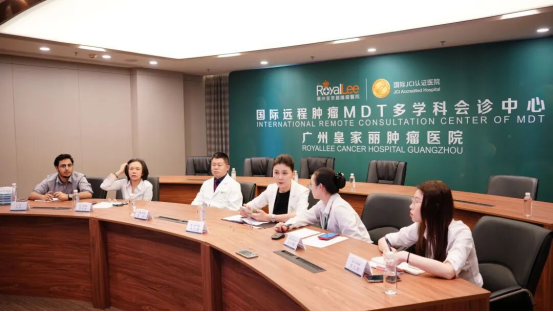
“We not only aim to bring in cutting edge international technologies, but also to export China’s high end medical services,” said Vice President Ma Lanying. Royal Lee Hospital is advancing an integrated “medical care, rehabilitation, wellness, and tourism” model, building an international medical and wellness destination for countries along the Belt and Road. In the future, the hospital will continue to deepen medical collaboration with Pakistan, the Middle East, Southeast Asia, and beyond, bringing precise and compassionate Chinese medical care to more overseas patients.
From Huangpu to Islamabad, from online to offline, Guangzhou Royal Lee Hospital is writing a new chapter of the “Health Silk Road” on the international medical stage with an open and confident stance. On May 20, we look forward to welcoming our Pakistani friends to Guangzhou to join the grand event and embark on a shared future.


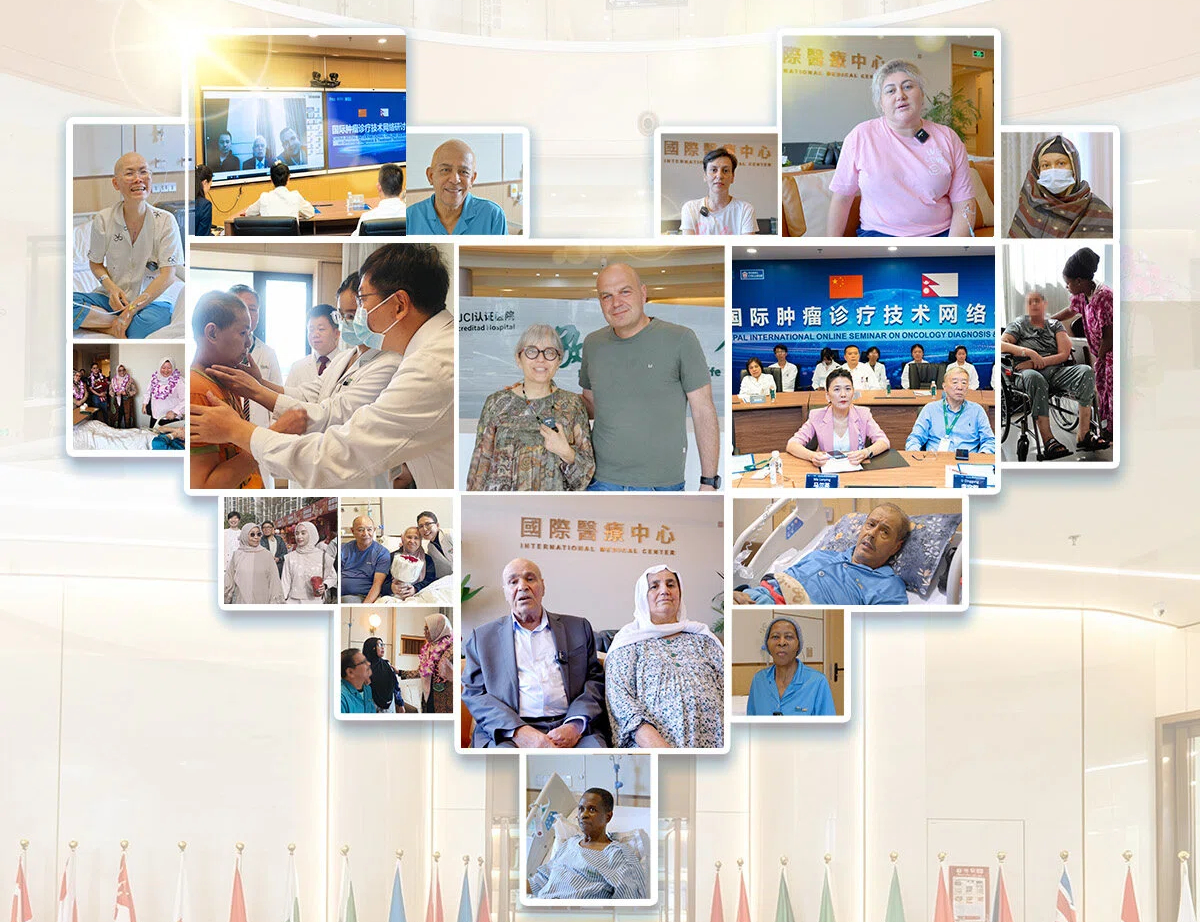
 Customer satisfaction