
 (+86)18613012387
 info@royallee.cn

 EN
 CN
 TH
 IDN
 AR
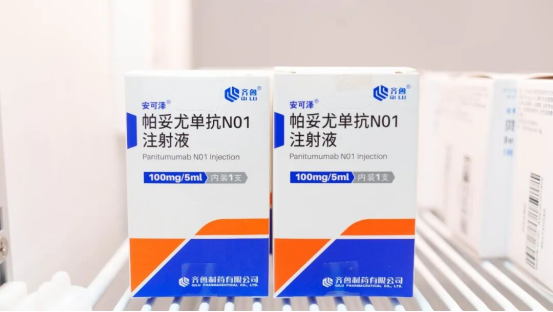
For patients with RAS wild-type metastatic colorectal cancer and their families, the choice of first-line treatment is often directly related to the duration of disease control and quality of life. Recently, Guangzhou RoyalLee Cancer Hospital has introduced Panitumumab N01 Injection (brand name: Ankeze®), a fully human anti-EGFR monoclonal antibody for the first-line treatment of RAS wild-type metastatic colorectal cancer.
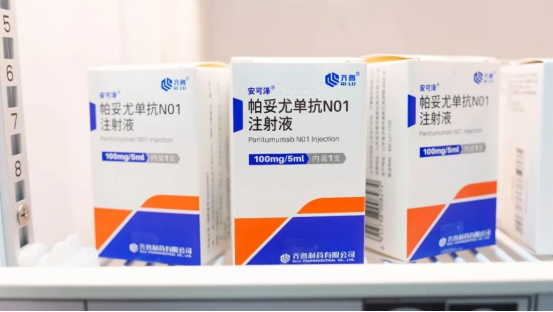
What kind of drug is this? Why is “fully human” worth noting?
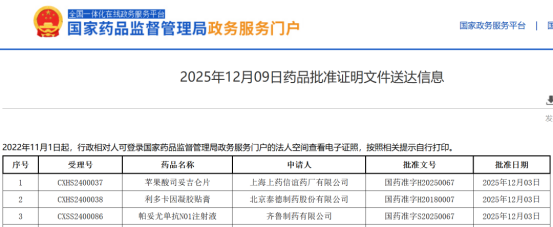
Panitumumab N01 was approved by the National Medical Products Administration in December 2025 for use in combination with the FOLFOX chemotherapy regimen as first-line treatment for patients with RAS wild-type (both KRAS and NRAS wild-type) metastatic colorectal cancer.
Its core structural feature is that it is “fully humanized.” Among anti-EGFR monoclonal antibodies commonly used in China, cetuximab is a mouse-human chimeric IgG1 antibody, with approximately 30% of its sequence derived from murine sources, making it relatively easier for the immune system to recognize it as a “foreign substance” and thereby trigger infusion-related or allergic reactions. Panitumumab N01 is an IgG2 antibody with a 100% human sequence, which reduces the risk of immunogenicity by molecular design. In clinical studies, its anti-drug antibody (ADA) positivity rate was approximately 0.2%, compared with approximately 5% for cetuximab. Lower immunogenicity means fewer treatment interruptions or additional premedication requirements due to immune reactions.
In first-line treatment for advanced colorectal cancer, families are very concerned about progression-free survival (PFS). The approval of Panitumumab N01 was supported by a phase III clinical study involving 641 Chinese patients (interim analysis data). The results showed that, compared with chemotherapy alone, the combination with Panitumumab N01 extended median PFS from 8.3 months to 11.2 months and reduced the risk of disease progression or death by 39% (hazard ratio [HR] = 0.61). In terms of the proportion of patients with significant tumor shrinkage (objective response rate, ORR), the combination treatment group was 68.31%, compared with 47.91% in the chemotherapy-alone group.
It should be noted that these data come from population studies and reflect “average levels.” For each individual patient, efficacy may be affected by multiple factors such as tumor burden, sites of metastasis, and baseline general condition. Population data should not be directly equated with individual outcomes.
Safety: Low Risk of Infusion Reactions, but Skin Management Remains a “Required Course”
Regarding infusion reactions, the incidence of drug-related infusion reactions in the study was only 1.2%, all of which were Grade 1–2 mild-to-moderate reactions, with no Grade 3 or above serious infusion events. Due to its low immunogenicity, this drug does not require routine premedication with corticosteroids or antihistamines before infusion, avoiding inconveniences such as blood glucose fluctuations and insomnia that may be associated with steroid premedication.
Dermatologic adverse reactions are a “class effect” shared by anti-EGFR monoclonal antibodies—because normal skin growth also depends on EGFR signaling, and the drug affects the skin while inhibiting tumors. Study data showed that during Panitumumab N01 treatment, the incidence of rash was 53.3% and the incidence of acneiform dermatitis was 21.5%; among these, the incidence of Grade ≥3 severe rash was 12.7%, and severe acneiform dermatitis was 7.1%.
The key point is that skin reactions are preventable and manageable. From the start of treatment, patients should maintain good moisturizing and sun protection. When rash occurs, timely graded management under a physician’s guidance (topical agents and, when necessary, oral antibiotics) is recommended. Usually, antineoplastic therapy does not need to be permanently discontinued because of skin reactions. Standardized skin management helps patients adhere to and complete the full course of treatment.
Guangzhou RoyalLee Cancer Hospital has established a fast-track new drug introduction channel, committed to introducing innovative drugs into the hospital pharmacy as soon as possible after approval to reduce patient waiting time. In addition, the hospital supports a “temporary procurement” mechanism. For drugs that are clinically necessary but not yet routinely stocked in the hospital, procurement can be applied for through standardized procedures, providing an additional layer of support for individualized medication needs.
The introduction of Panitumumab N01 adds a fully human option with a low risk of infusion reactions to the first-line treatment of RAS wild-type metastatic colorectal cancer. Phase III studies show that its combination with chemotherapy can significantly prolong disease control time. However, it is not a “panacea.” The prerequisite for use is RAS wild-type status (confirmed by genetic testing), and skin care during treatment requires cooperation and careful attention from both families and patients.
Whether this drug is suitable, how it should be integrated with existing treatment regimens, and how specific adverse reactions should be managed must be decided after full communication with the attending physician.
Disclaimer
This article is intended solely for health education and informational reference and does not constitute any diagnostic or treatment advice or medication recommendation. Panitumumab N01 is a prescription drug and must be used in a qualified medical institution, with the decision on whether to use it made by a professional physician after a comprehensive assessment based on the patient’s specific condition, genetic testing results, and physical status. Efficacy and adverse reactions vary among individual patients. Please do not purchase or use the drug on your own or adjust your treatment regimen based on the content of this article. If you have any treatment-related questions, please consult your attending physician promptly.



 Customer satisfaction